Why Transport Risk Assessment Is Necessary
India’s rapidly growing road network has made transportation faster, but it has also increased operational challenges for businesses that rely on fleet movement. Every trip—whether moving cargo, equipment, or passengers—brings a combination of predictable and unpredictable risks. This is why Transport Risk Assessment has become a crucial part of responsible transport management. It allows organisations to examine potential dangers, implement preventive controls, and ensure safe, compliant, and uninterrupted operations.
A well-structured assessment does much more than highlight risks. It strengthens safety culture, builds driver confidence, and supports organisations in protecting people, assets, and reputation. With rising accident numbers and stricter regulatory standards, companies cannot afford to operate blindly. They must know the risks before they act.
Transport Risk Assessment and Operational Reliability
One of the biggest advantages of structured assessment is improved reliability. When organisations identify hazards early, they avoid downtime, delays, and unexpected operational costs. This includes reviewing road conditions, weather patterns, vehicle readiness, and driver capability before every journey. By analysing these elements, fleet managers ensure that the entire system works in harmony.
It also helps eliminate avoidable disruptions—such as vehicle breakdowns caused by ignored maintenance, or trip delays due to poor route planning. A transport operation backed by risk assessment is always more predictable and safer.
Strengthening Driver Safety and Behaviour
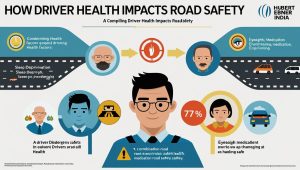
Drivers represent the frontline of every transport operation. Even the most advanced vehicles cannot compensate for unsafe driving behaviour. Risk assessment includes evaluating factors such as fatigue levels, adherence to speed limits, hazard perception skills, and familiarity with routes.
This process helps organisations identify drivers who may need additional training or monitoring. Over time, it reduces unsafe habits like harsh braking, distracted driving, tailgating, and overspeeding. Creating awareness and accountability among drivers minimizes accident chances and promotes a disciplined driving culture.
Key Elements of Transport Risk Assessment
A comprehensive assessment examines every factor that influences transport performance:
Route and Environmental Risk Evaluation
Not all routes are equal. Some involve poorly lit stretches, high-traffic zones, narrow passages, or frequent construction activity. Evaluating these conditions helps plan safer alternatives or apply extra precautions.
Vehicle Fitness and Preventive Maintenance
Mechanical failures remain a major cause of transport incidents. Checking brakes, tyres, load balance, lights, and emergency tools ensures vehicles are trip-ready and compliant.
Human Factors and Training Needs
Drivers often face time pressure, long working hours, night driving, and mental fatigue. Assessing these elements helps organisations set realistic schedules and introduce targeted training programs.
How Transport Risk Assessment Supports Compliance
India’s transport sector is governed by multiple safety and regulatory guidelines. Non-compliance can lead to penalties, legal liability, and reputational damage. Risk assessment ensures that vehicles meet fitness standards, drivers hold valid licences, and operations follow safety protocols. It also prepares organisations for audits, inspections, and customer safety requirements.
Building a Safe and Sustainable Transport System
When organisations adopt risk assessment as a continuous practice, it transforms their transport ecosystem. Accident rates decrease, insurance costs reduce, and operational efficiency grows. More importantly, it protects people—drivers, road users, and employees connected to transport operations.
Hubert Ebner India supports businesses in building safer mobility systems through expert audits, training, and transport safety programs. With the right approach, organisations can make risk assessment a strong foundation for long-term sustainability and safety excellence.