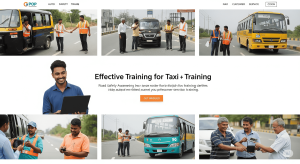
Importance of Road Safety Education in India
Road Safety Education in India has become a national priority as the country continues to face some of the highest road accident rates globally. With rising vehicle numbers, dense traffic, and varying levels of driver behaviour, educating citizens about safety has never been more essential. Road safety is not just about following rules—it is about creating a culture of responsibility and awareness that protects lives, reduces risks, and ensures safer mobility for all.
Road Safety Education in India and Youth Awareness
Young people form one of the most vulnerable groups on the road. Many school and college students travel daily by buses, bicycles, or two-wheelers, often navigating busy traffic without proper knowledge of road safety. This is why structured awareness programs are crucial. Workshops, interactive sessions, and real-life demonstrations help students understand safe pedestrian behaviour, the importance of helmets and seat belts, and the dangers of distracted or speeding behaviour.
Educational institutions that integrate safety modules into their curriculum contribute to long-term behavioural change. Teaching road signs, traffic rules, and basic first aid creates informed future drivers who are more responsible on the road. When children understand safety early, they influence their families and communities, helping build safer habits across generations.
Road Safety Education in India Supporting Safer Driving Behaviour
Driver behaviour contributes significantly to road accidents. Many collisions occur due to overspeeding, intoxicated driving, fatigue, and improper lane discipline. Through awareness campaigns and training programs, organisations aim to reshape driver attitudes by educating them on the consequences of unsafe behaviour.
Practical demonstrations, simulator-based training, and real-time coaching help drivers understand critical safety factors like safe braking distance, blind spots, and emergency response techniques. Commercial drivers, including bus, truck, and taxi operators, benefit the most from such programs as they spend long hours on the road and influence passenger safety as well. When drivers practise safe habits, the overall road environment becomes more predictable and secure.
Community Engagement and Behavioural Change Programs
Road safety education is most impactful when entire communities participate. Awareness campaigns organised at residential areas, workplaces, and social gatherings encourage people to rethink their daily travel habits. These programs highlight simple actions—like using pedestrian crossings, avoiding mobile phone use while walking or driving, and wearing helmets even on short trips—that prevent life-threatening accidents.
Parents also play a significant role. Many accidents involving children occur because adults overlook safety rules themselves. By educating families about responsible commuting, especially when travelling with kids, organisations help create a safety-first mindset at home.
Technological Tools Enhancing Road Safety Awareness
Digital platforms have transformed the way safety education is delivered. Online quizzes, animated videos, mobile applications, and virtual reality simulations make learning interactive and engaging. These tools provide real-life scenarios that help users understand the immediate consequences of unsafe road behaviour.
Traffic authorities and safety organisations also use digital dashboards and monitoring tools to analyse accident-prone locations, enabling targeted awareness programs. By using data to understand risk patterns, educational initiatives become more effective and relevant.
The Role of Organisations Like Hubert Ebner India
Organisations committed to public safety play a crucial role in delivering structured, high-impact road safety programs. Hubert Ebner India conducts workshops for schools, colleges, government departments, corporate organisations, drivers, and community groups. Their programs include behavioural training, safety demonstrations, road awareness courses, and practical assessments that help people understand and adopt safer practices.
By combining education, community involvement, and professional training, such organisations create a strong foundation for a safer road environment across the country.
Conclusion
As road accidents continue to impact thousands of families every year, strengthening safety awareness becomes a moral and social responsibility. Comprehensive education, practical training, and community participation ensure that people adopt safer habits and contribute to reducing accidents. With consistent efforts and structured programs, India can build a road culture that values life, responsibility, and safety above all.