Night driving challenges introduces several risk factors that are often underestimated by many drivers. Reduced visibility, increased fatigue, and unpredictable road conditions make late-hour driving significantly different from daytime travel. Understanding these challenges is the first step toward improving road safety and reducing accident risks. Hubert Ebner India focuses on educating drivers about practical awareness techniques and structured training approaches that help individuals adapt to nighttime conditions confidently.
When natural light disappears, drivers rely heavily on artificial illumination, primarily from vehicle headlights and road infrastructure. In regions where street lighting may be limited, drivers must develop stronger observation skills and remain alert to sudden changes in road conditions. Night driving demands patience, disciplined behavior, and continuous scanning of surroundings.
Night Driving Challenges related to reduced visibility
One of the biggest concerns at night is limited visibility. Darkness affects depth perception, peripheral awareness, and the ability to recognize objects at a distance. Drivers may struggle to judge speed or distance accurately, increasing the risk of sudden braking or delayed reactions. Glare from oncoming vehicles further reduces clarity, making it essential to adjust eye focus and maintain safe driving habits.
Pedestrians and two-wheeler riders are particularly vulnerable during nighttime hours because they may not always be easily visible. Drivers should anticipate movement near intersections, poorly lit areas, or roadside zones. Maintaining appropriate speed and increasing following distance allows more time to react when unexpected situations arise.
Proper use of headlights is also essential. High beams should be used responsibly and switched to low beams when approaching other vehicles to avoid creating dangerous glare. Keeping headlights clean and correctly aligned improves illumination and reduces blind spots.
Night Driving Challenges caused by driver fatigue and behavior
Fatigue becomes more noticeable during late-night travel, especially after long working hours or extended driving periods. Reduced alertness leads to slower reaction times and decreased concentration. Drivers must recognize early signs of tiredness such as frequent blinking, drifting within lanes, or missing road signs.
Planning rest breaks during longer journeys is an effective strategy to maintain focus. Adequate sleep before driving plays a crucial role in improving reaction speed and mental clarity. Hubert Ebner India emphasizes that safe driving begins with personal readiness — drivers should avoid alcohol, tobacco fatigue, or medications that impair judgment or cause drowsiness.
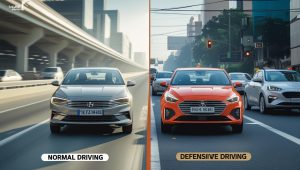
Behavioral factors such as overconfidence or speeding can also increase risks at night. With fewer vehicles on the road, some drivers may feel tempted to drive faster, ignoring reduced visibility conditions. Maintaining controlled speed and practicing defensive driving techniques ensures safer navigation through uncertain environments.
Night Driving Challenges linked to road and environmental conditions
Nighttime roads often present unexpected hazards. Animals crossing highways, wrong-side driving, and reduced policing frequency can create dangerous situations that require quick decision-making. Weather conditions such as fog, rain, or dust storms further limit visibility and demand slower speeds and greater caution.
Vehicle readiness becomes particularly important under these circumstances. Clean windshields, properly adjusted mirrors, and fully functional lighting systems help drivers maintain clear visibility. Ensuring vehicle fitness before starting a journey reduces the risk of sudden technical issues that may become more difficult to manage in dark conditions.
Hubert Ebner India’s approach to road safety training focuses on building awareness through structured learning. Drivers are encouraged to develop a proactive mindset, anticipating potential hazards rather than reacting at the last moment. This approach helps create safer driving habits that remain effective in both day and night environments.
In conclusion, nighttime driving requires a combination of preparation, awareness, and responsible behavior. By understanding common risks, improving vehicle readiness, and maintaining mental alertness, drivers can significantly reduce accident risks. With proper training and consistent safety practices, navigating roads after dark can become a safer and more controlled experience for everyone.