In today’s fast-moving business environment, road safety training india has become more than a compliance checkbox—it is a strategic necessity. With rising vehicle usage, expanding logistics networks, and stricter corporate responsibility expectations, companies across India are recognizing that investing in driver awareness and safety education directly protects their workforce and brand reputation. As we move through 2026, organizations that prioritize structured safety programs are seeing measurable benefits in risk reduction, operational efficiency, and employee confidence.
For companies operating fleets, managing field teams, or supporting employee travel, road risks are a daily reality. Even a minor accident can trigger financial losses, legal complications, and reputational damage. This is why forward-thinking businesses are shifting from reactive safety measures to proactive training solutions powered by modern technology and expert-led programs such as those offered by Hubert Ebner India.
road safety training india strengthens corporate risk management
One of the biggest reasons companies are prioritizing structured safety education is risk control. Road incidents remain among the leading causes of workplace injuries in India, particularly for organizations with sales teams, service engineers, delivery staff, or transport fleets. Without proper training, drivers often rely on informal habits rather than scientifically proven safe-driving techniques.
A well-designed program helps employees understand hazard perception, defensive driving principles, fatigue management, and real-world decision-making. These skills significantly reduce accident probability. More importantly, they create a culture of responsibility where employees actively think about safety rather than reacting at the last moment.
From a management perspective, fewer accidents mean:
-
Lower insurance premiums
-
Reduced vehicle downtime
-
Fewer compensation claims
-
Improved duty-of-care compliance
Companies in 2026 are increasingly data-driven, and safety training delivers measurable ROI through reduced incident rates and improved fleet performance.
road safety training india improves workforce productivity
Safety and productivity are more connected than many organizations realize. When drivers lack confidence or proper training, they tend to drive either too aggressively or too cautiously—both of which affect efficiency and increase operational costs.
Professional training programs focus on smooth driving behavior, anticipation skills, and situational awareness. These competencies help employees:
-
Plan routes better
-
Avoid sudden braking and harsh acceleration
-
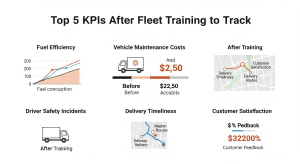
Reduce vehicle wear and fuel consumption
-
Maintain consistent delivery timelines
For logistics companies and field-service organizations, these improvements translate directly into business gains. Employees who feel safe on the road also experience less stress and fatigue, which improves focus and job satisfaction.
Hubert Ebner India’s simulator-based learning approach is particularly valuable here. By recreating real-world driving scenarios in a risk-free environment, companies can train employees for dangerous situations without exposing them to actual hazards. This modern learning method is becoming a preferred choice among forward-looking enterprises in India.
road safety training india supports compliance and ESG goals
In 2026, regulatory pressure and ESG (Environmental, Social, and Governance) expectations are stronger than ever. Companies are being evaluated not only on profits but also on how responsibly they operate. Road safety falls squarely under corporate duty of care.
Organizations that implement structured driver training programs demonstrate:
-
Strong employee welfare commitment
-
Proactive risk governance
-
Responsible fleet management
-
Alignment with global safety standards
Many industries—especially oil & gas, logistics, manufacturing, and infrastructure—now require documented driver training as part of vendor qualification and internal audits. Companies that neglect this area risk failing compliance checks or losing business opportunities.
Additionally, safer driving behavior contributes to sustainability goals. Reduced harsh driving lowers fuel consumption and emissions, helping companies progress toward their carbon-reduction targets. This dual benefit of safety plus sustainability makes professional training a smart strategic investment.
Why 2026 is a turning point for Indian companies
Several trends are accelerating the adoption of structured driver education across India:
Rapid fleet expansion: E-commerce, last-mile delivery, and service mobility are growing fast, increasing road exposure for employees.
Technology integration: Advanced simulators, telematics, and analytics now allow companies to measure driver behavior scientifically.
Insurance pressure: Insurers are rewarding companies that demonstrate formal safety programs with better terms.
Corporate liability awareness: Leadership teams are more conscious of legal exposure related to employee road incidents.
Because of these factors, companies that delay implementing professional training may find themselves at a competitive disadvantage.
How Hubert Ebner India delivers measurable safety impact
Hubert Ebner India has positioned itself as a leader in advanced driver education through its scientifically designed training ecosystem. Their solutions combine:
-
High-fidelity driving simulators
-
road safety training india
-
Realistic hazard perception exercises
-
Data-driven performance evaluation
This integrated approach goes beyond classroom theory. It builds real behavioral change—something traditional training methods often fail to achieve.
Organizations partnering with Hubert Ebner India typically report improvements in driver awareness, reduction in incident rates, and stronger internal safety culture. For companies serious about long-term risk reduction, such structured programs provide both immediate and sustained value.
The business case is now undeniable
In the past, some companies viewed driver training as optional. In 2026, that mindset is rapidly disappearing. Rising road risks, tighter compliance demands, and the need for operational efficiency have made professional safety education a business imperative.
Companies that invest early gain multiple advantages:
-
Stronger brand reputation
-
Lower operational risk
-
Better employee morale
-
Improved cost control
-
Enhanced regulatory readiness
Those that ignore it may face preventable accidents, financial losses, and reputational setbacks.
Conclusion
As India’s mobility ecosystem continues to expand, organizations must rethink how they protect employees on the road. Structured driver education is no longer just a safety initiative—it is a strategic business enabler. With advanced simulation technology and behavior-focused methodologies, Hubert Ebner India empowers companies to build safer, smarter, and more responsible driving cultures.
For forward-looking businesses in 2026, investing in professional road safety training is not just wise—it is essential for sustainable growth and corporate responsibility.