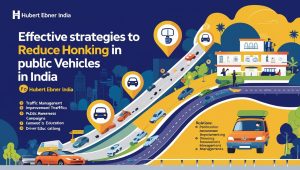
How Road Conflicts Are Escalating in Indian Cities
Urban mobility Road Rage in India has changed dramatically over the past decade, but along with growth has come a troubling rise in Road Rage in India. What was once seen as occasional driver frustration is now emerging as a serious public safety concern across metropolitan regions. Increasing vehicle density, long commute times, and heightened stress levels are creating volatile conditions on Indian roads. For cities striving to become smarter and safer, addressing aggressive driving behavior is no longer optional—it is essential.
India’s rapid urbanization has led to overcrowded roads where patience is often in short supply. Daily commuters face traffic jams, unpredictable driving patterns, and frequent rule violations. In such an environment, even minor triggers—like sudden lane changes or honking—can quickly escalate into verbal abuse, dangerous driving, or physical confrontation. The consequences are not limited to the drivers involved; pedestrians, cyclists, and nearby motorists are also put at risk.
Key Causes Fueling Aggressive Driving
Several structural and behavioral factors are contributing to the growing tension on urban roads. One of the most significant is traffic congestion. Cities such as Delhi, Mumbai, and Bengaluru regularly rank among the most congested in the world. Long hours spent in traffic increase stress hormones, reduce patience, and make drivers more reactive.
Another major factor is inconsistent enforcement of traffic rules. When motorists frequently witness violations going unpunished—wrong-side driving, signal jumping, illegal parking—it creates a culture of disregard. Over time, this normalizes risky behavior and lowers the psychological barrier to aggression.
Urban lifestyle pressures also play a role. Tight work schedules, delivery deadlines, and the constant rush of city life make many drivers feel they cannot afford delays. Add to this the anonymity of being inside a vehicle, and people sometimes behave in ways they would avoid in face-to-face interactions.
Road Rage in India: Warning Signs on Urban Roads
Recognizing early warning signs is critical to preventing escalation. Aggressive tailgating, excessive honking, flashing headlights repeatedly, and sudden lane blocking are often precursors to more serious confrontations. Many incidents begin with what appears to be minor irritation but quickly spiral when both parties react emotionally.
Technology has amplified the visibility of the problem. Dashcam footage and viral social media clips frequently show altercations between drivers, highlighting how common these incidents have become. However, the true scale is likely much larger than what is recorded online.
Urban planners and safety experts warn that without timely intervention, such behavior can evolve into a normalized part of city driving culture. That would have long-term implications for accident rates, public safety perception, and even emergency response efficiency.
The Real Impact on Public Safety
Aggressive driving is not just about heated arguments—it has measurable safety consequences. Sudden braking, reckless overtaking, and intentional blocking significantly increase crash risk. Even when physical collisions do not occur, near-miss incidents create ripple effects in already congested traffic systems.
Emergency vehicles are particularly affected. When drivers engage in confrontations or erratic maneuvers, traffic flow becomes unpredictable, delaying ambulances and fire services. For densely populated urban areas, these delays can be life-threatening.
There is also a psychological impact. Regular exposure to hostile driving environments increases commuter anxiety and fatigue. Over time, this contributes to reduced concentration, slower reaction times, and a higher probability of mistakes behind the wheel.
Road Rage in India: Practical Prevention Strategies
Addressing this growing urban risk requires a multi-layered approach. Stronger enforcement is a key starting point. Consistent penalties for dangerous behavior send a clear signal that aggression on roads will not be tolerated. Automated traffic monitoring, AI-based violation detection, and integrated city surveillance systems can significantly improve compliance.
Public awareness campaigns are equally important. Many drivers do not fully appreciate how quickly routine frustration can turn dangerous. Educational initiatives that promote defensive driving, emotional control, and road courtesy can gradually reshape behavior patterns.
Infrastructure design also matters. Better lane markings, clearer signage, dedicated turning bays, and synchronized traffic signals reduce confusion and last-second maneuvers—common triggers for conflict. Smart mobility planning that reduces bottlenecks can lower overall commuter stress levels.
Corporate and fleet operators have a role to play as well. Professional driver training programs, fatigue management policies, and telematics monitoring can reduce aggressive incidents among commercial vehicles, which often spend the most time on urban roads.
Building Safer Urban Driving Culture
Ultimately, long-term improvement depends on cultural change. Safe cities are not built only through regulations and technology—they require collective behavioral shifts. Encouraging patience, promoting respect among road users, and normalizing calm responses to minor mistakes can gradually transform urban mobility environments.
For growing metropolitan regions across road rage in India, the message is clear: managing traffic flow alone is no longer enough. Cities must actively address driver behavior and emotional triggers as part of their road safety strategy. With coordinated action from authorities, planners, businesses, and citizens, Indian urban roads can become not only more efficient but significantly safer for everyone.