Transporting dangerous or hazardous goods is one of the most high-risk activities in the logistics and transport sector. Vehicles carrying petroleum products, LPG, industrial chemicals, and other hazardous materials operate under conditions where even a small error can lead to catastrophic consequences. For this reason, professional training is not optional—it is a critical necessity for drivers handling such sensitive cargo. India’s roads present additional challenges such as mixed traffic, varying road conditions, unpredictable weather, and high population density. Safety training for Hazchem drivers must therefore possess advanced skills, deep awareness, and disciplined driving behavior to ensure public safety. Structured training programs play a vital role in preparing drivers to manage these responsibilities effectively.
Safety Training for Hazchem Drivers and Risk Prevention
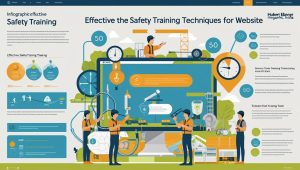
Drivers transporting hazardous goods operate vehicles that carry substances capable of causing fires, explosions, environmental damage, or serious health hazards. Safety training equips drivers with the ability to identify risks before they escalate. Understanding road signs, traffic behavior, safe following distances, and speed management significantly reduces the likelihood of accidents.
Training also helps drivers anticipate dangerous situations such as sudden braking by other vehicles, poor visibility, or unstable road surfaces. By learning hazard perception and defensive driving techniques, drivers can make safer decisions under pressure and protect both cargo and surrounding road users.
Safety Training for Hazchem Drivers in Handling Hazardous Materials
Beyond driving skills, hazchem drivers must understand the nature of the materials they transport. Knowledge of chemical properties, hazard classifications, and emergency response procedures is essential. Training programs educate drivers on product information such as TREM cards, UN classifications, and haz-chem codes, enabling them to respond correctly in case of leaks or accidents.
Proper loading and unloading practices, use of safety fittings, and awareness of vehicle dynamics are also covered. These aspects ensure that hazardous materials remain stable during transit and reduce risks during handling operations. Well-trained drivers are better prepared to follow standard operating procedures and comply with regulatory requirements.
Safety Training for Hazchem Drivers and Emergency Response
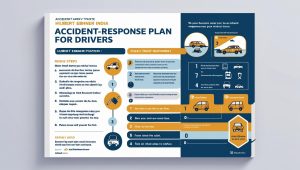
In emergency situations, the driver is often the first responder. Training prepares drivers to act quickly and calmly during incidents such as vehicle breakdowns, fires, spills, or accidents. Skills in accident-related first aid, fire-fighting basics, and emergency communication can save lives and limit damage.
Drivers are also trained to manage stress, fatigue, and the effects of alcohol, all of which can severely impair judgment. Emergency preparedness ensures that drivers not only protect themselves but also safeguard the public and the environment during unforeseen situations.
Industry Benefits of Professional Safety Training
Organizations that invest in professional hazchem driver training experience measurable benefits. Accident rates reduce, compliance improves, and operational efficiency increases. Companies also protect their brand reputation and demonstrate commitment to safety and sustainability. Certified drivers are more confident, disciplined, and capable of handling complex transport scenarios.
Programs like Suraksha by Hubert Ebner India offer structured, interactive, and India-specific training modules that combine classroom learning, demonstrations, and on-road assessments. These programs are trusted by leading oil, gas, and chemical organizations across the country.
Conclusion
Transporting hazardous goods is a responsibility that demands precision, awareness, and professionalism. With India’s complex road environment and the high risks involved, structured training becomes indispensable. Comprehensive safety education empowers drivers to prevent accidents, manage emergencies, and ensure secure transportation of dangerous goods. By prioritizing professional training, the transport industry can significantly enhance road safety, protect lives, and strengthen operational reliability across the nation.